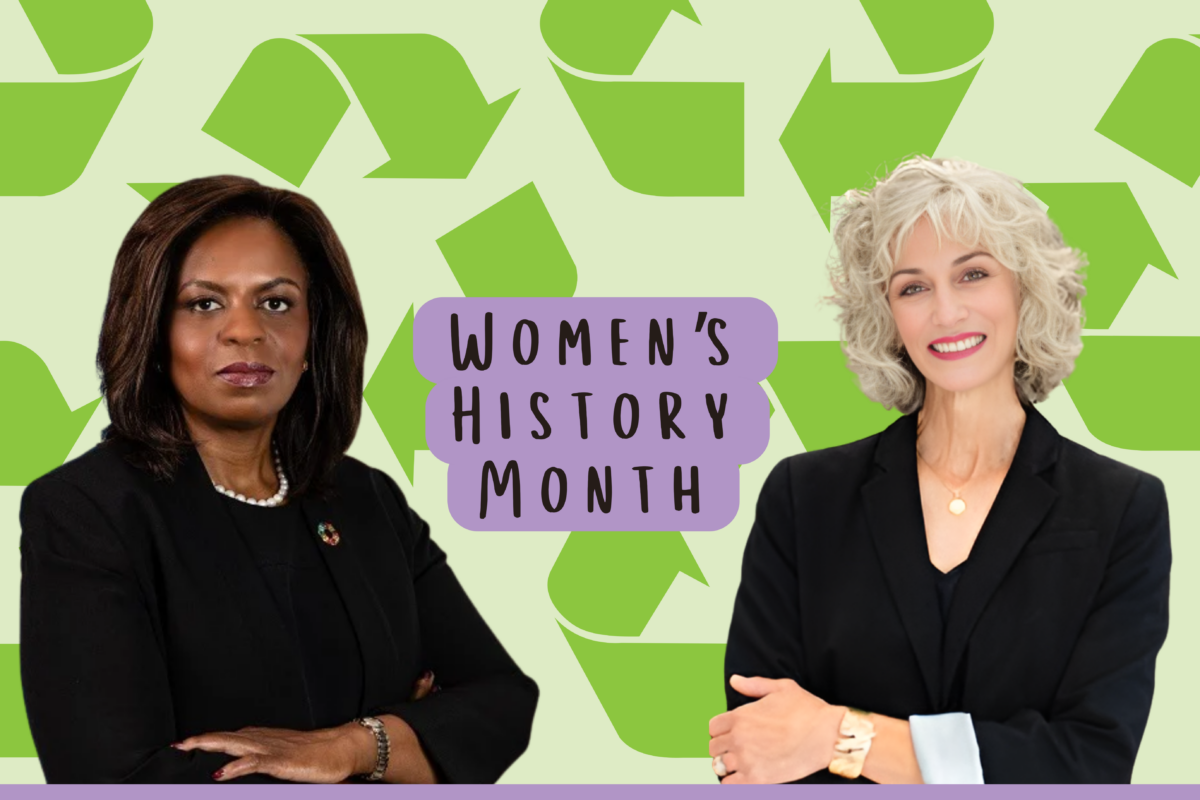
March is Women’s History Month! This is a time to acknowledge and appreciate the work women have done in our country/world while encouraging women in our communities and beyond. Hi, I’m Becca Burks, the Museum of Discovery’s Girls in STEM Coordinator. You can probably think of several incredible women of history, including our museum’s founder: Bernie Babcock. Let’s dive into why this recognition is important!
First a bit of Her-story:
In 1978, the Sonoma County Commission on Women in California initiated the very first Women’s History week, to align with International Women’s day on March 8th. This local celebration laid the groundwork for national recognition. A few years later, in 1980, President Jimmy Carter designated March 2-8 as National Women’s History Week saying:
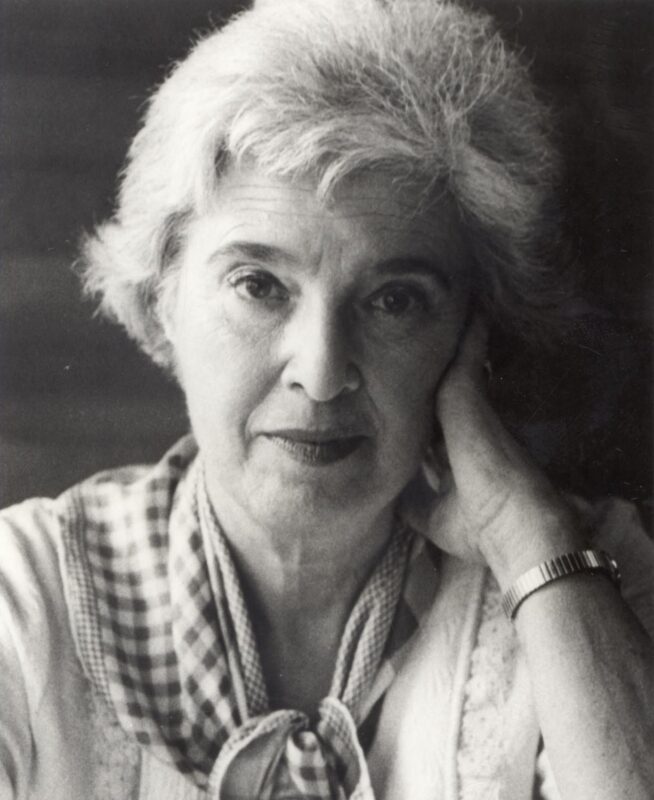
“Too often the women [ in U.S. History] were unsung and sometimes their contributions went unnoticed. But the achievements, leadership, courage, strength and love of the women who built America was as vital as that of the men whose names we know so well.” President Carter goes on to quote Dr. Gerda Lerner, one of the founders in the academic field of women’s history saying, “Women’s History is Women’s Right.”
The week in the U.S. became Women’s History Month in the 90’s thanks to some work from Congress. Now, every year, the National Women’s History Alliance publishes a yearly theme. For 2026 the theme is “Leading the Change: Women Shaping a Sustainable Future” This year’s theme seeks to confront a range of overlapping global challenges, because women, and particularly women from marginalized communities, often experience the impacts of societal disparities most severely.
You might hear the word sustainability get thrown around a lot when talking about climate, or environmental justice, but what does it actually mean?
In simple terms, sustainability is the practice of meeting the needs of the present, without compromising the ability of future generations to meet their own needs. (United Nations)
This doesn’t mean just the environment. Sustainability applies to financial sustainability, community resilience, strengthening educational systems, and more. If we didn’t look at women’s history, we’d only have half the story and we wouldn’t be able to write about the future.
In honor of this year’s theme, here are some women from around the world and here at home that are actively creating sustainable impact: This is not an exhaustive list, but some of my favorites.
Dr. Gerda Lerner, She fled to the US from Nazi-occupied Austria after being captured by the Gestapo, and didn’t stop there. She began her fight to include and empower women in the study of history. She passed away in 2013, but her work lives on with every female historian and academic.
Sanda Ojiambo, Her career spans over 20 years intersecting business and development. Under her leadership as Assistant Secretary-General, the UN Global Compact has grown as the world’s largest corporate sustainability initiative, fostering a more sustainable and inclusive global economy.
Dr. Robin Wall Kimmerer- is a mother, scientist, decorated professor, and enrolled member of the Citizen Potawatomi Nation. She is the author of several books focused on nature and draws on the wisdom of both indigenous and scientific knowledge for the shared goal of sustainability. If you need a hug from nature that inspires and educates you at the same time, I highly recommend her books.
Locally, the Museum of Discovery is proud to work with:
- The Little Rock Sustainability Office, led by Lennie Massanelli
- The women of the Central Arkansas Master Naturalists,
- April Ambrose- Director of Workforce Development at Arkansas Advanced Energy Foundation and Founder of Ecoviabl: a sustainability consulting firm
- Emma Estelle, local artist who uses sustainable foraging for pigments in her pottery
- Dr. Jenn Ballard, Erica Benoit, and the women of Arkansas Natural Heritage Commission
- The women of Turpentine Creek Wildlife Refuge’s education team
- And many more.
Co-Founder and former Executive Director of the National Women’s History Alliance, Molly Murphy MacGregor said it best: “Women’s history isn’t just about what happened in the past; it’s about empowering future generations to understand their worth and their place in shaping the world.”
If you are a teacher or parent interested in sharing more about Women’s History Month in the classroom or at home, the National Women’s History Alliance has a whole toolkit available for free on their website.
Sources:
https://www.womenshistory.org/womens-history/womens-history-month
https://nationalwomenshistoryalliance.org/first-presidential-message-1980/
https://www.womenshistory.org/education-resources/biographies/gerda-lerner
https://www.un.org/en/academic-impact/sustainability
https://unglobalcompact.org/about/governance/asg-ceo
https://www.robinwallkimmerer.com/about
https://littlerock.gov/government/city-departments/public-works/sustainability/