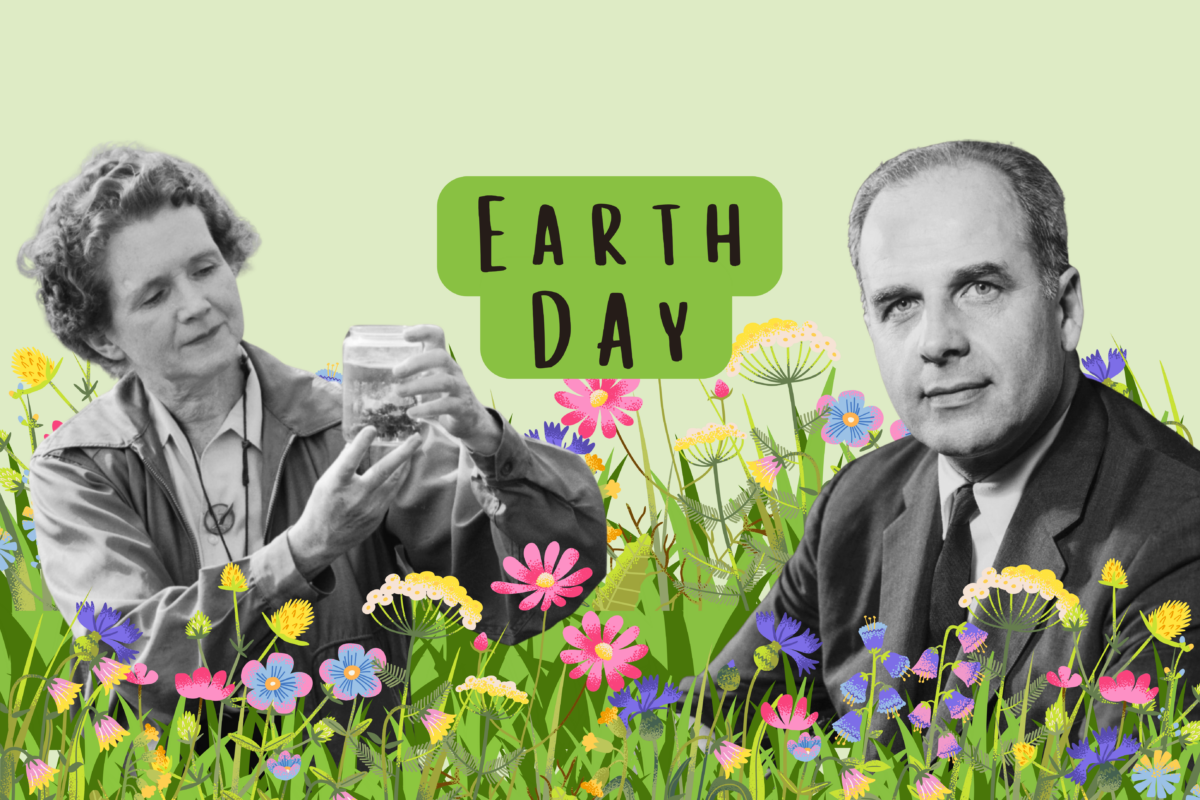
Spring has sprung in Arkansas! As the season shifts, the weather will be warmer while plants will change from browns and reds to luscious greens and vibrant pinks and purples. This is the time of year where we are able to see the wonderful features of our Earth! In April, most people think of Earth Day: but how did this holiday come about?
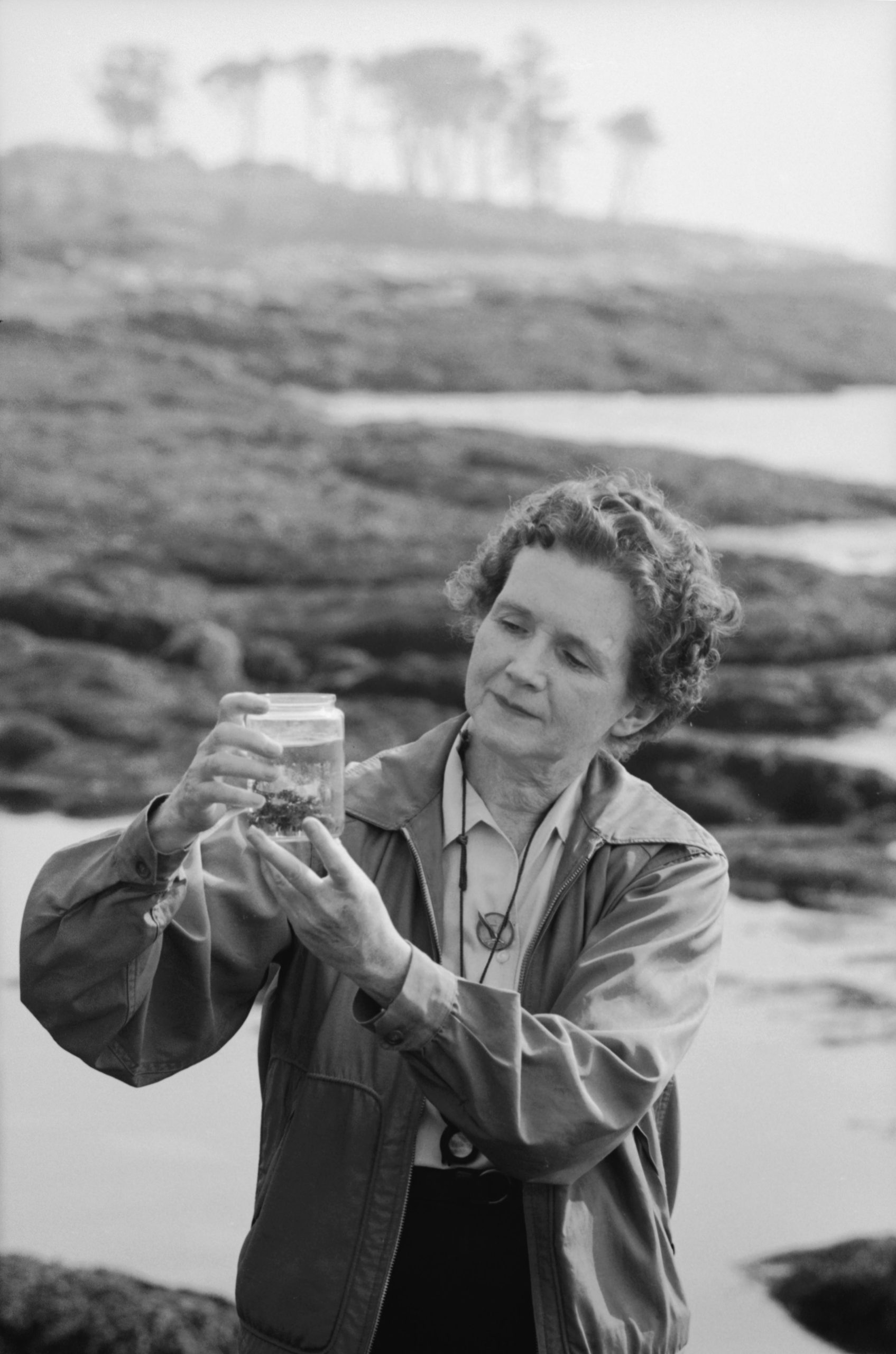
First, we have to take a look back in time to find Rachel Carson. Carson was a writer, scientist, and ecologist. She was a profound lover of the sea, nature, and the world around her. She studied at Pennsylvania College for Women and went on to receive her masters in zoology from John Hopkins University. After writing about her studies of the ocean, and gaining many awards for her writing, she switched her focus to the environment.
In 1962, she wrote Silent Spring, a nonfiction environmental science book. The intent was to warn the public about the harmful long term effects of misusing pesticides. A pesticide is a substance or many substances intended to kill or push away pests. This means that crops using pesticides can be consumed by humans. The chemicals used can be very harmful to normal human functions and cause diseases, as well as disrupt animal populations and balance.
She says that “over the past decade these [environmental] problems have cast long shadows, but we have been slow to recognize them” (Carson 134). In order to create a safe, sustainable world for everyone and everything; humans need to cut down on their pollutants. She was a keynote speaker many times throughout her life. This allowed her to testify to congress in 1963, asking for policies that protected human health and the environment. At the time, congress did not agree with her, but she continued to fight for environmental policies and strived to save our planet for future generations.
Prior to 1970, the United States had no regulations set in place to protect our environment. Companies had no rules or standards that they had to uphold to ensure that they were not putting off toxic gases into our air or harsh chemicals into our water systems. Many Americans lived with this way of life, but not everyone was satisfied with the changes to our environment. In the winter of 1969, Senator Nelson of Wisconsin had the idea that there should be an international day focused on preserving our environment.
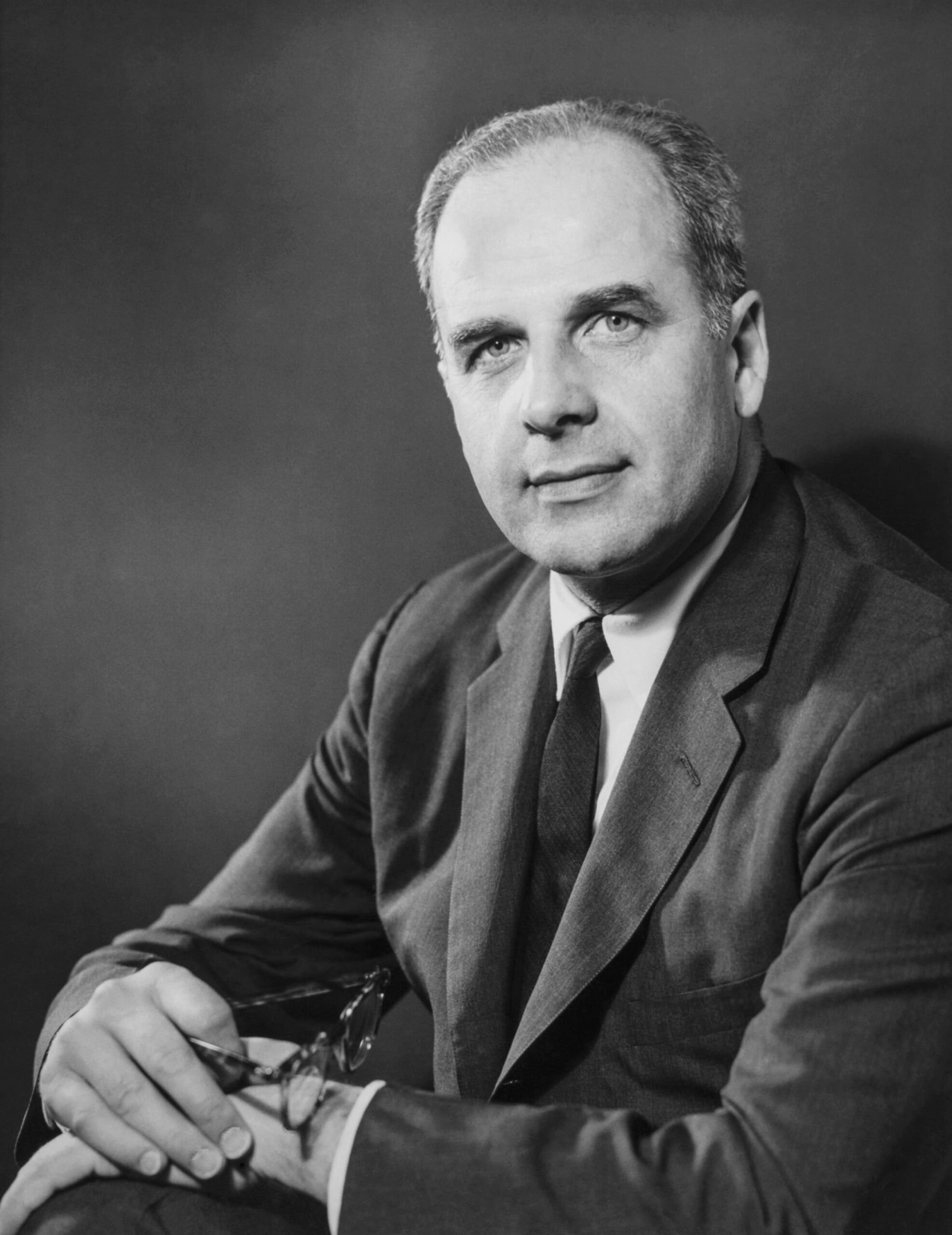
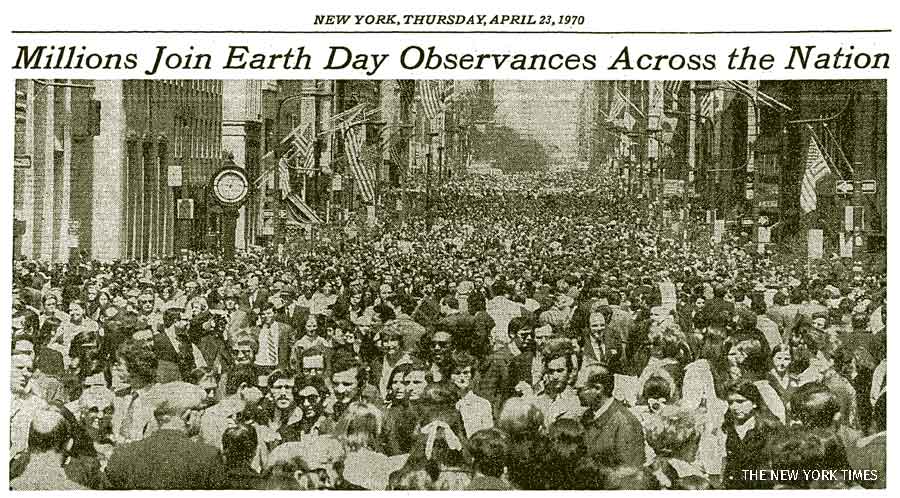
Senator Nelson was an environmental activist. Meaning that he promoted changes in rules and regulations in regards to bettering the environment. He knew that younger generations and primarily students in college shared the same thought: We need to keep our planet healthy and safe for all humans. Senator Nelson partnered with Denis Hayes, a younger activist, to organize events on college campuses to talk about the state of the environment and how to fix it. These events brought together numerous Americans to join together for a common goal. The first Earth Day was April 22nd because it fell between spring break and finals. Earth Day inspired 20 million Americans to fill the streets asking for change to save our planet.
In July of 1970, the Environmental Protection Agency (EPA) was established to regulate and enforce national pollution legislation. The creation of the EPA has led to other federal laws focused on preserving our environment.
Notable Acts Include:
- Clean Air Act
- Clean Water Act
- National Environmental Policy Act
- Endangered Species Act
- Marine Mammal Protection Act
- Toxic Substances Control Act
2030 will mark the 60th anniversary of Earth Day. Our planet and environment has been changed for the better, but there is always more work to be done. If you want to be an Earth defender, check out organizations such as EARTHDAY.ORG or SCISTARTER.ORG. There are also local initiatives such as the Museum of Discovery’s Animal Care Facility, where we strive to talk about conservation and biodiversity, the Little Rock Sustainability Office offers education to sustain our environment,and local libraries often offer programming to gain more knowledge! To leave you with the wise words of Rachel Carson “Life is a miracle beyond our comprehension, and we should reverence it even where we have to struggle against it.” (Carson 143).
Sources
- https://www.earthday.org/history/
- https://www.epa.gov/history/epa-history-earth-day
- https://www.rachelcarson.org/biography
- https://www.democratsabroad.org/bc_the_history_of_earth_day
- https://www.history.com/this-day-in-history/april-22/the-first-earth-day
- https://www.epa.gov/minimum-risk-pesticides/what-pesticide
- https://www.niehs.nih.gov/health/topics/agents/pesticides
- Carson, Rachel. Silent Spring. Penguin Classics, 2000.
- https://scistarter.org/